
5792 maps played
Side Balance
Balanced (50–50)
Difficulty
Beginner

Every active map in the CS2 competitive pool. Side balance, difficulty ratings, key areas and pro betting tips.
CS2 active duty map pool with comprehensive statistics. Win rates, pick rates, ban rates and team performance data for every Counter-Strike 2 competitive map. Analyze which maps favor which teams, understand the current meta and use map data to inform your CS2 betting decisions.

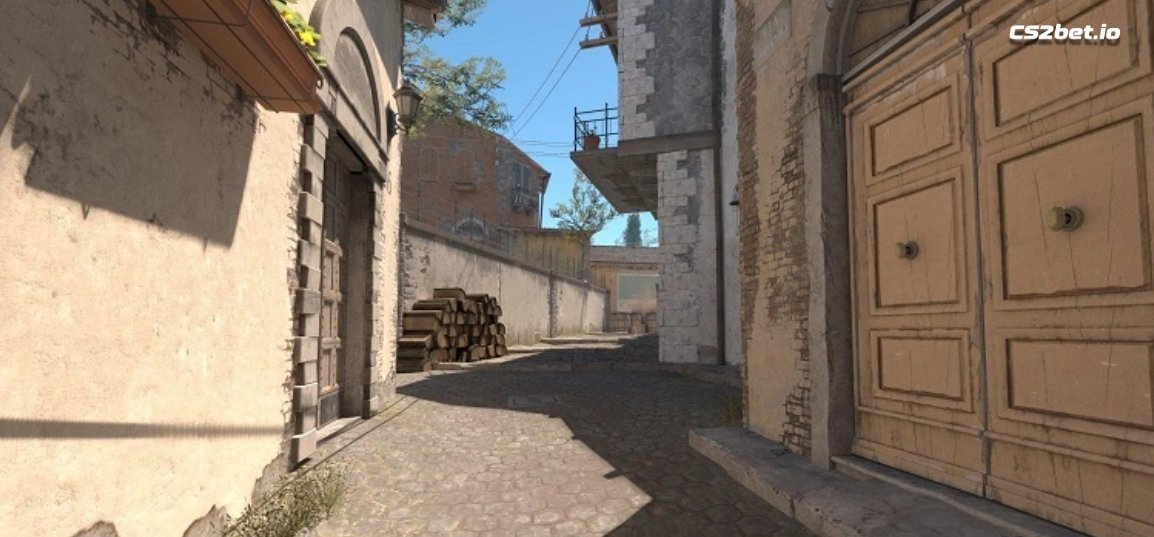
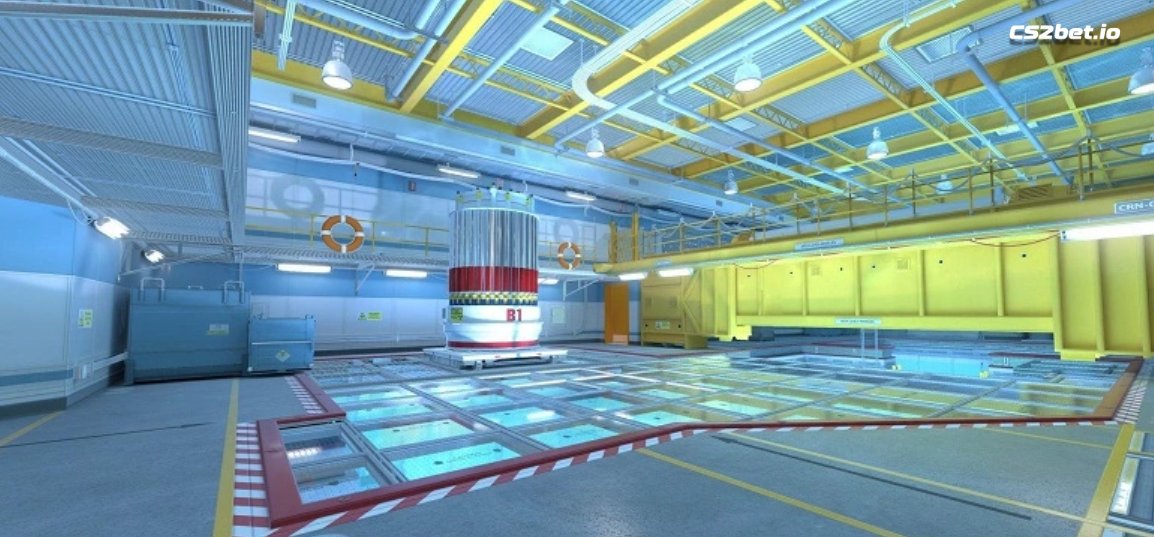
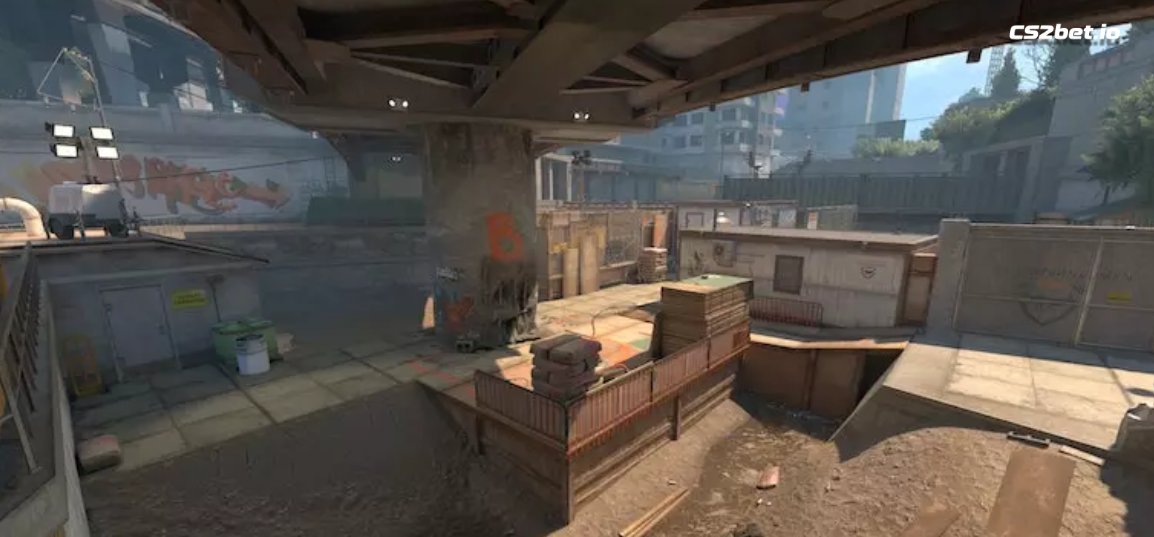
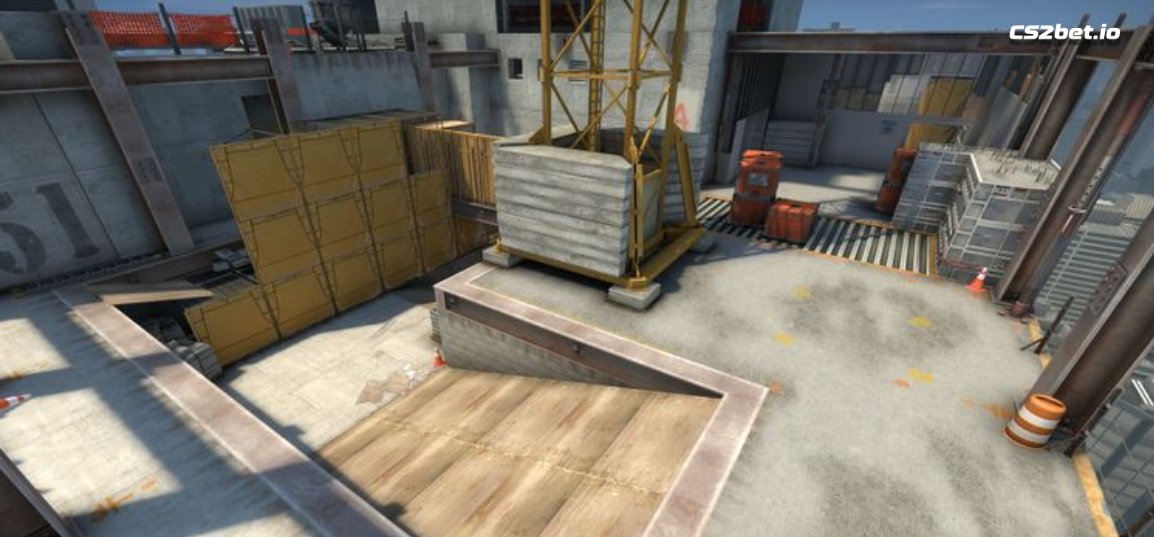
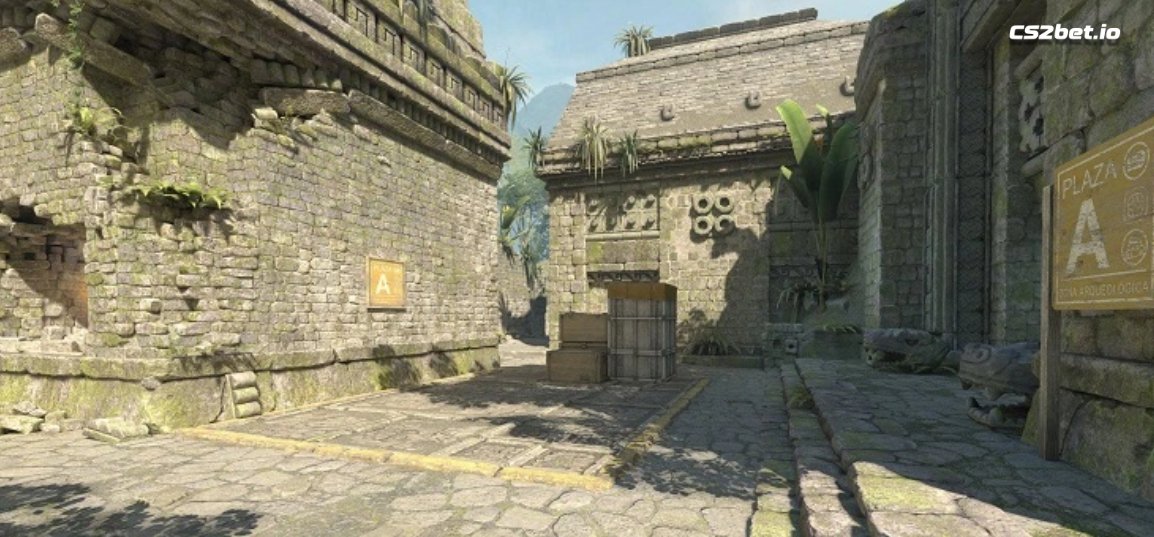
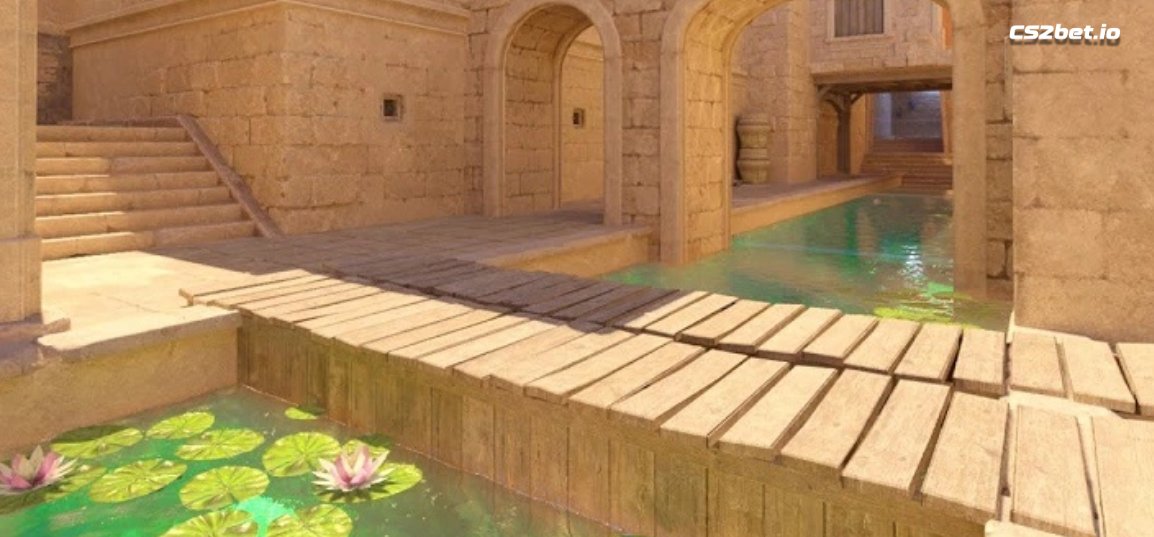
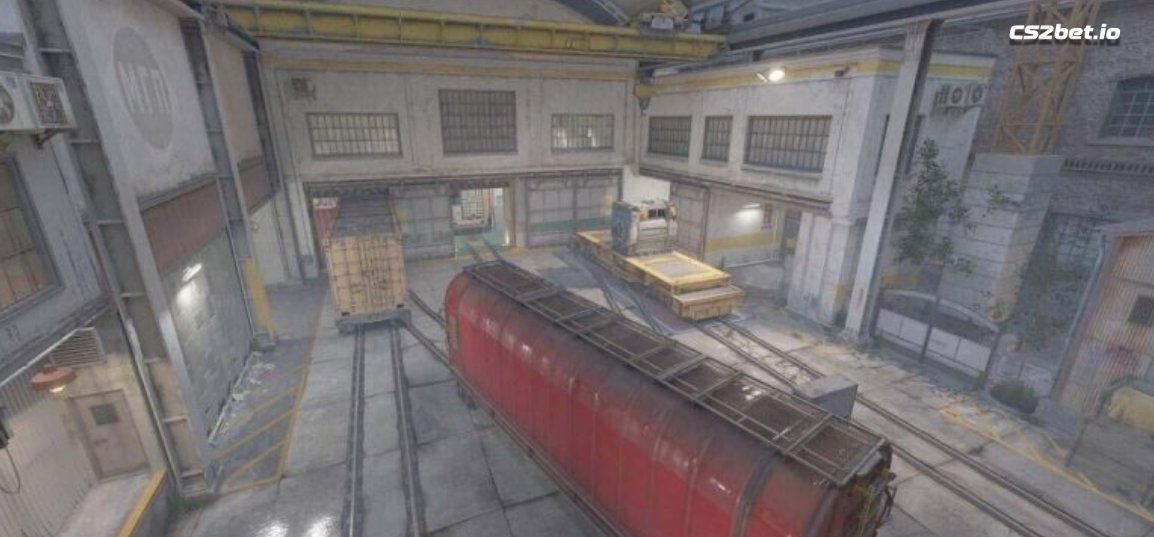

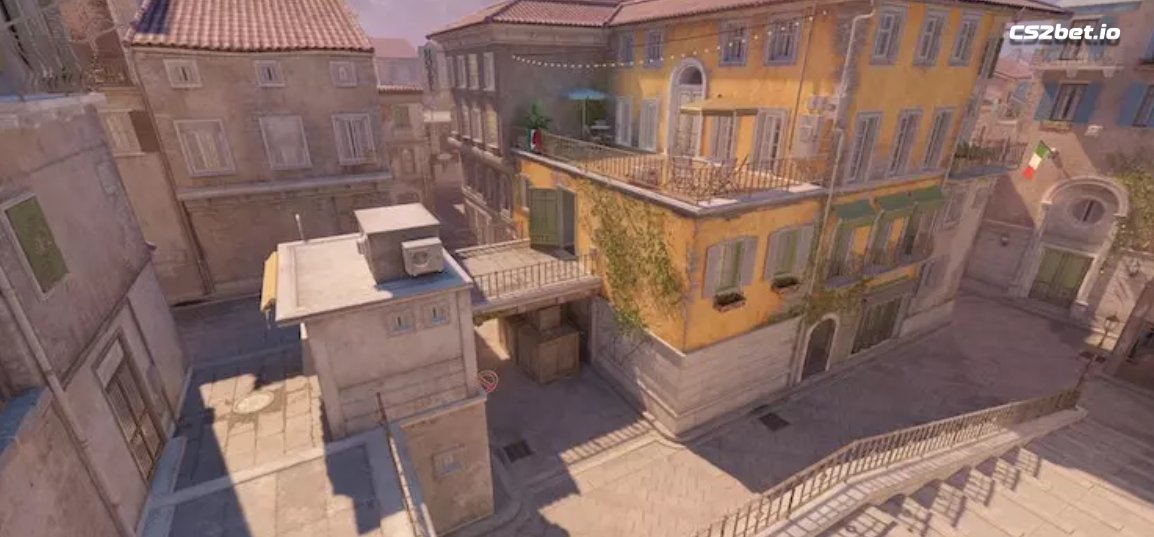
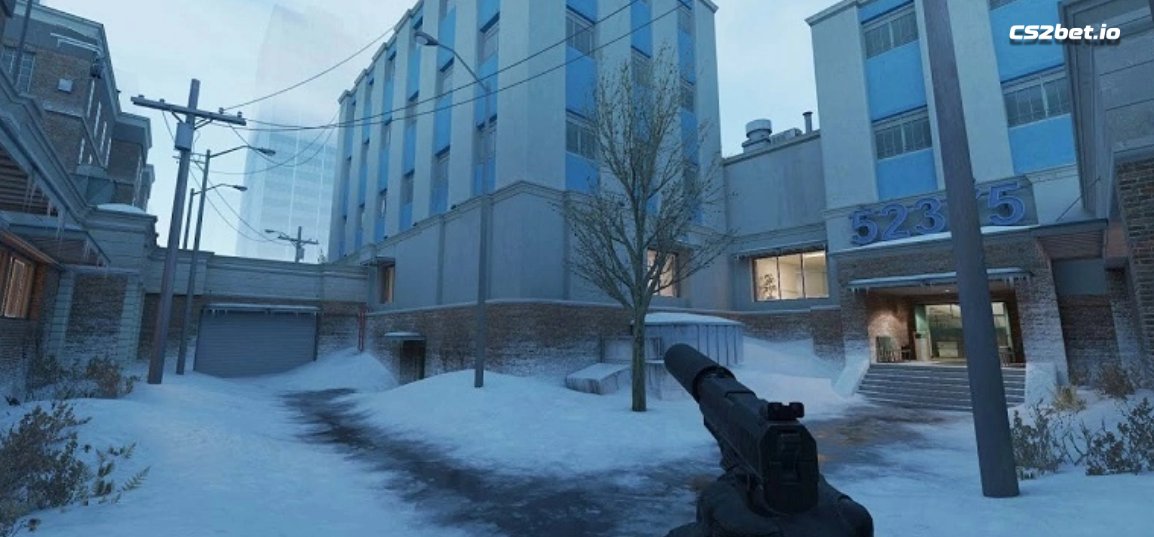
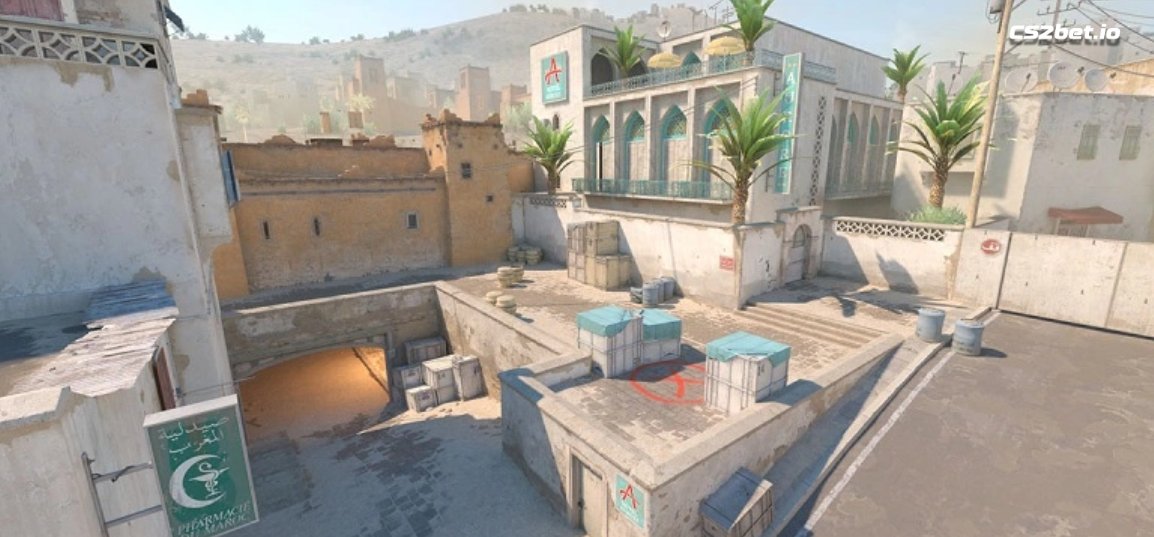
The CS2 map pool is the foundation of competitive Counter-Strike strategy. Valve maintains an active duty pool of seven maps that rotate periodically, with additions and removals reshaping the professional meta each time a change occurs. The current CS2 active duty pool has evolved significantly from its CS:GO predecessor, with maps like Anubis entering competitive play while classics like Cache and Cobblestone were removed. Each map in the pool has distinct characteristics that influence side balance, round length, economic pressure and team composition preferences.
Side balance is one of the most critical factors when analyzing CS2 maps for betting purposes. Maps like Nuke and Vertigo have historically favored the CT side, meaning the team starting on CT is statistically more likely to build a round lead in the first half. Conversely, maps like Dust2 and Mirage tend toward more balanced or slightly T-sided distributions. Understanding side balance helps bettors evaluate live round handicap markets and predict half-time score lines. A team trailing 4-8 on a CT-sided map after starting T-side is in a far better position than the scoreline suggests, and informed bettors can exploit this asymmetry.
Map pool rotation history reveals important patterns for competitive analysis. When Valve introduces a new map to the active duty pool, there is typically a period of competitive uncertainty lasting 2-3 months where teams have not yet developed deep tactical playbooks. Early adopters who invest practice time on new maps gain a significant advantage, while established teams may ban the new map until they develop their own strategies. This transition period creates exploitable betting opportunities, as bookmaker odds often fail to account for the uneven preparation levels between teams on recently added maps. Tracking which teams practice and pick new maps early versus which teams avoid them is a valuable edge for CS2 esports bettors.
The CS2 active duty map pool currently includes 7 competitively played maps used in all professional tournaments, Valve Majors and Premier matchmaking. These maps are Dust2, Mirage, Inferno, Nuke, Overpass, Vertigo and Anubis (with Ancient and Train rotating in and out depending on Valve updates). The active duty pool rotates periodically -- Valve may remove an existing map and introduce a new or reworked one at any time. When a rotation occurs, the competitive meta shifts significantly as teams adapt their practice schedules and veto strategies. Each map in the pool has distinct layout characteristics, choke points, rotation timings and side balance tendencies that favor different playstyles and team compositions.
Map selection is one of the most influential factors in CS2 match outcomes and represents a critical variable for esports bettors. Professional teams maintain dramatically different win rates across the map pool. A team might hold an 80% win rate on Mirage over the last three months but only 35% on Nuke. When two teams meet in a Best-of-3, the map veto process determines which maps are played, and the resulting selection can swing the expected match outcome by 15-25%. Bettors who track team-specific map win rates, pick rates and ban rates gain a significant edge over bookmaker lines that primarily weight overall team form. Map-specific data is especially valuable for handicap betting and correct score markets, where side balance and team proficiency on the specific map directly influence round-by-round outcomes.
Map veto is the pre-match process where teams alternately ban and pick maps from the active duty pool. The exact veto format depends on the match type. In a Best-of-3, the standard format is: Team A bans, Team B bans, Team A picks, Team B picks, Team A bans, Team B bans, and the remaining map is the decider. In a Best-of-1, teams alternate bans until one map remains. Veto strategy is a complex metagame in itself -- teams must decide whether to ban their weakest map or deny the opponent their strongest. Experienced analysts study veto tendencies to predict which maps will be played before a match begins, allowing bettors to assess matchups on the likely map selections rather than relying on overall team ratings alone.
Side balance refers to the statistical advantage one side (Counter-Terrorist or Terrorist) holds on a given map. In CS2, teams play 12 rounds on each side before switching (MR12 format). On CT-sided maps like Nuke, the CT side historically wins 55-60% of rounds, meaning the team starting CT is expected to build a lead before the half. On balanced maps like Dust2, both sides win close to 50% of rounds. Side balance matters enormously for live betting -- if a team is down 4-8 after playing T-side on a CT-sided map, their position is much stronger than the score suggests because they will likely recoup rounds on their CT half. Professional teams factor side balance into their map picks, often choosing CT-sided maps when they win the knife round to start on the advantaged side.
Map picks directly impact the probability of each team winning, and by extension, the fair betting odds. When a team picks their strongest map, they are typically expected to win it at a rate 10-20% higher than their baseline win probability against that opponent. Conversely, the decider map (the map neither team chose) often produces the most unpredictable outcomes and the closest odds. Sharp CS2 bettors monitor map veto announcements closely, as bookmakers sometimes adjust lines slowly after vetoes are published. The gap between pre-veto odds (based on overall matchup strength) and post-veto odds (reflecting the specific maps being played) represents a window of opportunity for informed bettors to find value before the market corrects.
Several iconic maps have been rotated out of the CS2 active duty pool over the years. Cache was one of the first maps removed from competitive play and has not returned to the active pool in CS2. Cobblestone, once a fan favorite at Major championships, was removed during the CS:GO era and remains absent. Train was removed and later re-added after a significant visual overhaul. Dust2, one of the most recognizable maps in gaming history, was briefly removed from active duty during CS:GO before being reintroduced. Map removals always generate significant discussion in the competitive community and create immediate meta shifts as teams must redistribute their practice time across the remaining pool.