

Counter-Strike Transfers
Track every professional CS2 roster move, player transfer, and team change in one place. 148,961 roster changes detected across all competitive tiers, including recent moves by BOROS, maxy0y0, jresy. Our system automatically monitors roster data and logs transfers, free agent signings, benchings, and coaching changes as they happen.












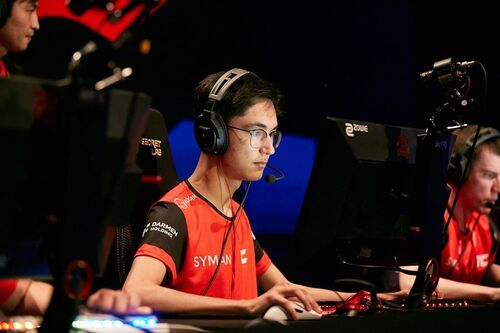


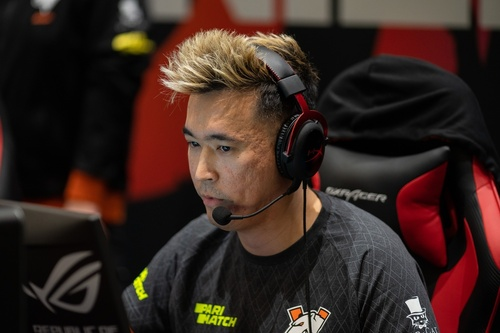





























Understanding CS2 Player Transfers and Roster Moves
Professional Counter-Strike 2 roster changes are among the most impactful events in competitive CS2 esports. When a team replaces a player, the effects ripple through every aspect of their gameplay — from communication patterns and utility setups to default positioning and site executions. A single transfer can shift a team's tournament trajectory, making roster monitoring essential for anyone following the CS2 competitive scene or evaluating betting opportunities. The most significant transfers typically involve tier-1 players moving between top organizations, but even tier-2 and tier-3 roster shuffles can signal emerging talent or organizational instability worth tracking.
How CS2 Transfers Impact Team Performance
Research across CS2 and legacy CSGO rosters shows that teams experience a measurable performance dip lasting four to eight weeks after a roster change. The magnitude depends on which role was replaced. In-game leader (IGL) changes are the most disruptive, often reshaping a team's entire tactical approach and requiring months of adjustment. AWPer replacements change how teams contest map control, while rifler swaps tend to integrate faster but still require utility and position adjustments. Coaching changes, though less visible to viewers, can fundamentally alter preparation methods and mid-round calling structures. Smart bettors track these transitions closely — a team in their adjustment period may be overvalued by oddsmakers relying on historical performance data.
Transfer Windows and Roster Lock Rules
Unlike traditional sports, CS2 does not have formal transfer windows for most of the year. Teams can make roster changes at any time, though tournament organizers like PGL, ESL and BLAST enforce roster lock deadlines before major events. These deadlines create predictable waves of transfer activity: teams that fail to qualify for upcoming tournaments often release players immediately, while successful organizations lock in their rosters weeks before competition. The period between Major championship qualifiers and the main event is historically the quietest for transfers, as roster locks prevent changes. Understanding these patterns helps predict when transfer activity will spike and which teams are most likely to make moves.
Types of CS2 Roster Changes
CS2 roster moves come in several distinct forms, each with different implications. A direct transfer occurs when a player moves from one active roster to another, sometimes involving buyout fees between organizations. Free agent signings happen when a player without a team contract joins an organization. Benchings move a player from the active lineup to a substitute or inactive role — often a precursor to a full release. Stand-in arrangements are temporary roster fills that may become permanent if performance warrants it. Coaching changes, while not involving the playing five, can be equally impactful on team results. Each type of move carries different signals about a team's stability and direction.
CS2 Transfers FAQ
Where can I find the latest CS2 roster changes?
CS2Bet tracks all professional Counter-Strike 2 roster changes automatically. Our transfers page logs every detected team change including transfers between teams, free agent signings, benchings, and coaching changes. Data is updated daily as our system syncs with the latest roster information.
How are CS2 transfers detected?
We monitor professional player rosters and match participation data. When a player's team affiliation changes — whether through a direct transfer, free agency signing, or benching — our system automatically logs the change with the approximate date it was detected.
Do CS2 roster changes affect team performance?
Yes, roster changes typically cause a performance dip lasting four to eight weeks as teams rebuild chemistry and adjust tactical setups. IGL and AWP changes are the most disruptive. Monitoring transfers helps bettors identify teams in transition periods where betting value may shift.
What types of roster moves are tracked?
We track five types of roster changes: transfers (player moves from one team to another), joins (free agent signs with a team), departures (player leaves a team), benchings (player moved to bench/substitute role), and coaching changes.
How far back does the CS2 transfer history go?
Our transfer history is backfilled from all match data in our database. The coverage extends as far back as our tracked professional matches, giving a comprehensive view of roster movement across the CS2 professional scene.
