

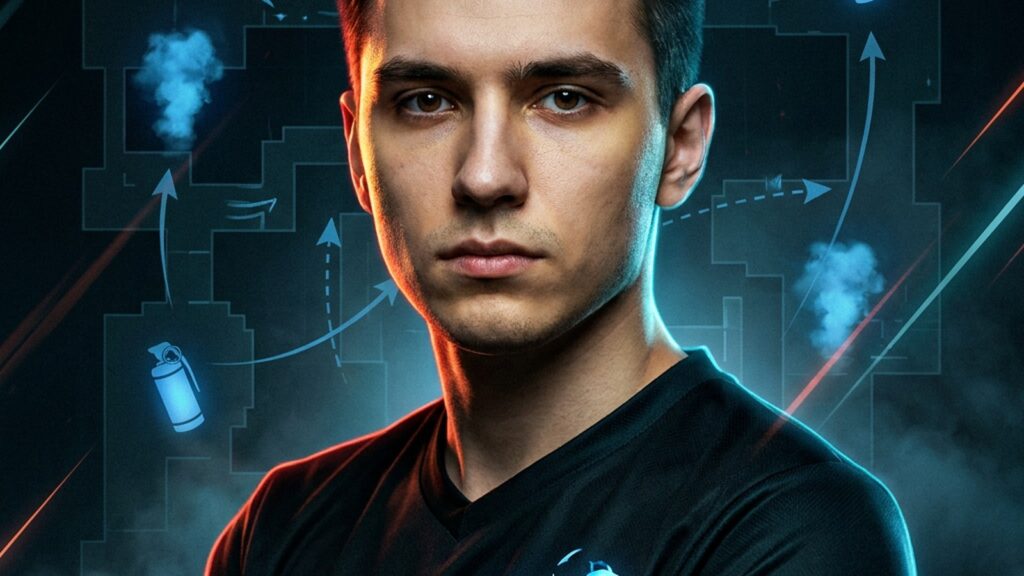
Former Team Spirit captain Leonid “chopper” Vishnyakov has sparked debate by claiming virtually any professional player can successfully lead a team as an in-game leader, provided they have the right squad around them.
“Almost anyone can become a captain — the main thing is having a good team around you,” chopper stated, challenging traditional views about leadership being an innate skill in Counter-Strike 2.
FaZe’s Leadership Transition Proves the Point
The veteran IGL pointed to FaZe Clan’s Russell “Twistzz” Van Dulken as evidence of his theory in action. Since Finn “karrigan” Andersen’s departure to Team Falcons, Twistzz has taken over calling duties during FaZe’s rebuilding phase.
However, the transition hasn’t been smooth sailing. FaZe struggled at events like BLAST Rivals Spring 2026, highlighting chopper’s warning that even elite players face difficulties when stepping into leadership roles.
Stand-in Ryan Aubry offered insight into Twistzz’s approach after their loss to NAVI: “The calling feels very free — there’s structure, but also space for individual decisions.”
Modern IGL Requirements Go Beyond Talent
Chopper’s philosophy reflects Counter-Strike 2’s evolution towards system-based leadership rather than personality-driven captaincy. He outlined the essential skills needed for successful IGLs: comprehensive map knowledge, utility mastery, demo analysis capabilities, mental fortitude, and decisive calling under pressure.
The key insight? Team stability and player form matter more than raw leadership ability. A cohesive roster can elevate an average caller, while dysfunction can cripple even experienced leaders.
Experience Backs the Theory
Chopper’s perspective carries weight given his own journey. Analyst OverDrive previously noted: “Chopper needed about two years to become a good captain.” This timeline reinforces that leadership development requires patience, consistent team support, and gradual skill building.
His comments suggest the CS2 scene might see more role swaps as teams prioritise tactical systems over traditional IGL archetypes. For betting markets, this trend could create more unpredictable leadership transitions and roster experiments across top-tier teams.
