

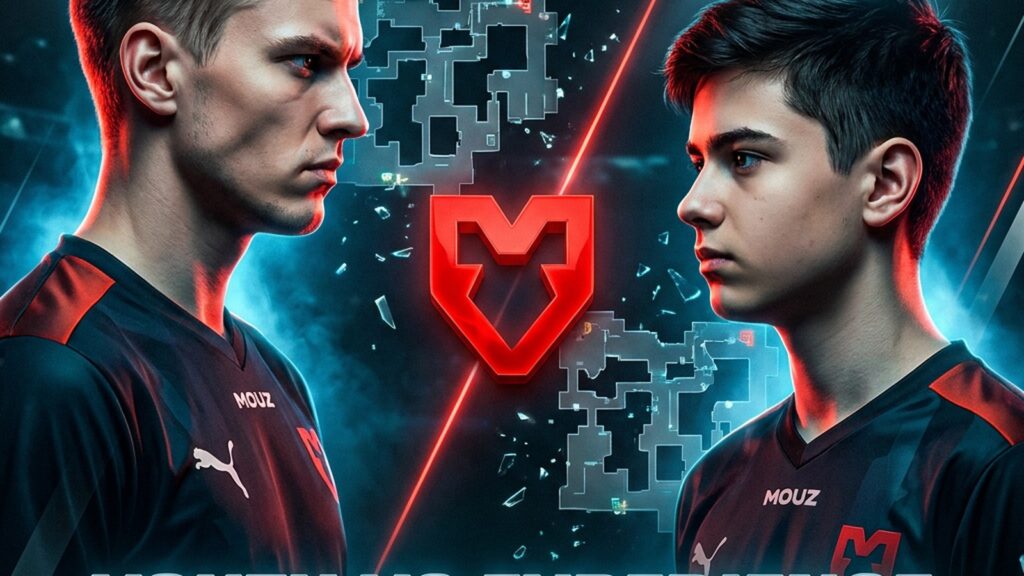
HLTV’s analytical programme Come Here has put MOUZ’s latest roster decisions under the microscope, examining the German organisation’s bold move to acquire Justinas “jL” Lekavicius whilst promoting academy talent Adrian “xelex” Vincze to the main squad.
Analyst Alex “hawka” Hawkins joined the show’s hosts to break down what represents far more than simple personnel changes. MOUZ has signalled a fundamental shift towards youth development and structural rebuilding, making this double acquisition a statement of intent rather than a quick fix.
Contrasting Profiles Create Intriguing Dynamic
The panel highlighted the stark differences between MOUZ’s two new additions. JL brings proven pedigree as a high-impact rifler who previously ranked amongst the world’s elite players. His immediate firepower and leadership experience offer the kind of reliability that tier-one competition demands.
Xelex presents the complete opposite profile. The young talent remains largely untested at the highest level, with no major achievements to his name. His promotion reflects MOUZ’s commitment to investing in potential over proven results—a risky strategy that could either pay dividends or backfire spectacularly.
Tactical Questions Remain Unanswered
The discussion raised important questions about how MOUZ will structure their roles following these changes. Previous analytical coverage described the team as going “anchorless,” prioritising experimentation and flexibility over traditional role definitions.
JL’s arrival could provide much-needed stability to certain positions, but integrating xelex may require further tactical adjustments. The panel questioned whether MOUZ can solve their previous concerns about role overlap whilst maintaining the clear anchors that successful teams require.
Part of Broader Industry Trend
MOUZ’s approach mirrors a growing trend across Counter-Strike, with organisations increasingly willing to gamble on younger players for long-term growth rather than short-term stability. The German outfit has historically embraced this philosophy, and their latest moves reinforce that identity.
The Come Here analysis ultimately avoided reaching a definitive conclusion about whether this roster combination will succeed. Instead, it emphasised the classic esports dilemma of balancing proven talent against emerging prospects.
What’s certain is that MOUZ’s experimental approach ensures their progress—or potential struggles—will remain under intense scrutiny. Their willingness to take calculated risks at the highest level of competition makes them one of the most fascinating storylines to watch in the coming months.
